In today’s world, supply chain management is more complex than ever. As businesses grow globally and demand for quicker, more reliable shipments increases, the need for transparency in the supply chain has become critical.
Blockchain technology is stepping in to fill this gap, offering secure, efficient, and transparent solutions. In this blog, we’ll explore how blockchain is transforming supply chain transparency and why 2025 will be a pivotal year for this technology.
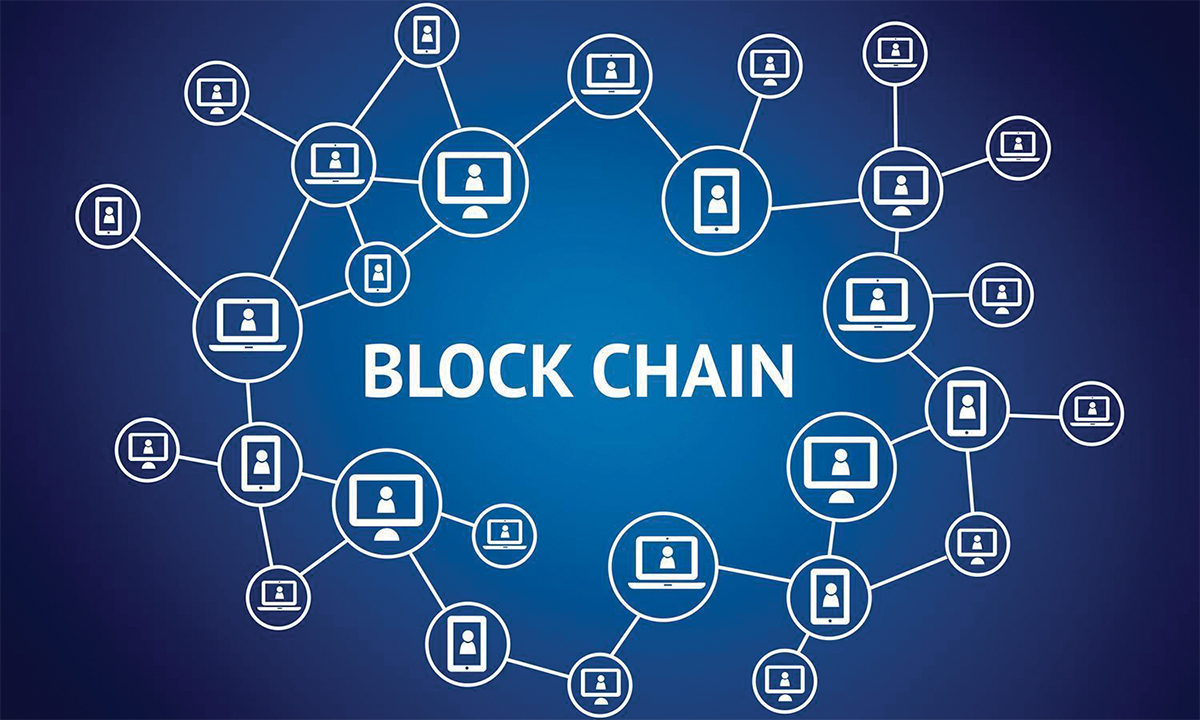
Before diving into the specifics of blockchain’s impact on supply chain transparency, let’s break down the basics. At its core, blockchain is a decentralized digital ledger where data is stored across multiple computers in a network. This means that no single entity controls the data, making it nearly impossible to alter records once they’re added.
In a supply chain, blockchain tracks each step of a product’s journey from manufacturer to consumer. This could involve recording every move, from raw material sourcing to final delivery, creating a transparent trail that everyone in the supply chain can access.
If you're looking to integrate blockchain into your business, blockchain development services can help you tailor solutions that fit your needs and ensure scalability as your business grows.
Blockchain is not just about recording data; it’s about enhancing the entire supply chain with real-time insights, improved security, and increased accountability. Here’s a closer look at the key benefits.
One of the most significant advantages of blockchain in the supply chain is product traceability. Thanks to the real-time tracking features of blockchain, businesses and consumers can know exactly where a product has been at every stage of its journey.
For instance, Walmart has been using blockchain to track food products. By scanning a QR code, consumers can instantly see where the food came from, how it was handled, and any other important data. This not only helps improve food safety but also increases consumer trust.
If you're interested in similar solutions, blockchain and IoT integration in logistics is helping companies achieve greater visibility over their shipments, improving overall efficiency.
Blockchain is a game-changer when it comes to securing supply chain transactions. Because of the immutable records on the blockchain, no one can alter the transaction history without it being immediately detected. This is particularly crucial in industries where fraud is prevalent, like the luxury goods or pharmaceuticals markets.
For example, smart contracts can automatically enforce agreements, ensuring that payments are made only when certain conditions are met, further minimizing the potential for fraud.
By reducing the risk of fraud and improving the accuracy of transactions, blockchain is making supply chains more secure than ever.
Another way blockchain improves supply chain transparency is by enhancing supplier accountability. When each transaction is recorded on an immutable ledger, it’s much easier to trace any issues back to the source. If a product is found to be counterfeit or poorly sourced, blockchain ensures that every step of the supply chain is accountable.
Moreover, blockchain enables companies to ensure their suppliers are meeting ethical standards. By recording information about sourcing and production practices, businesses can verify that they are supporting sustainable and fair-trade practices.
For businesses looking to integrate ethical sourcing into their operations, blockchain for manufacturers offers a reliable, transparent solution.
Blockchain is already being implemented across various industries, offering real-world examples of its potential. Let’s take a look at some of the key use cases.
Several major companies are already leveraging blockchain technology to improve their supply chains. For example, Maersk and IBM have collaborated on TradeLens, a blockchain platform that tracks shipping containers in real time, providing unprecedented visibility into the global supply chain.
Additionally, Walmart has implemented blockchain to track food products, improving safety and efficiency. These use cases highlight how blockchain can be applied to a wide range of industries, from shipping to retail.
The integration of IoT and blockchain is transforming logistics and shipping. With IoT devices monitoring conditions like temperature, humidity, and location, blockchain can record this data securely and transparently.
For example, temperature-sensitive pharmaceuticals are monitored throughout their journey, ensuring they stay within the required conditions. Blockchain ensures that the data recorded by IoT devices cannot be tampered with, providing an added layer of security and transparency.
While blockchain offers tremendous potential, there are still some challenges that businesses face. One of the biggest barriers to blockchain adoption is scalability. As supply chains grow, so does the amount of data that needs to be processed, which can slow down transactions.
However, with continuous advancements in blockchain technology, 2025 is expected to be a breakthrough year. Solutions for scalability are already in development, and more companies are expected to adopt blockchain to meet the growing demand for transparency.
Blockchain's role in improving supply chain transparency is only set to increase in the coming years. By enhancing product traceability, preventing fraud, and improving supplier accountability, blockchain is revolutionizing the way we manage and track supply chains.
In conclusion, blockchain technology is already transforming the supply chain, making it more secure, transparent, and efficient. As we look to 2025, blockchain will play an even bigger role in supply chain management, helping businesses across industries streamline operations and build trust with consumers.
For those interested in integrating blockchain into their systems, mobile app trends are showing how blockchain can enhance the functionality of applications across various industries. By leveraging mobile platforms, businesses can deliver better user experiences while maintaining transparency and security.
If you’re interested in leveraging blockchain for your supply chain, NXTLABS offers custom blockchain solutions that can help you integrate this powerful technology seamlessly. By adopting blockchain, your business can not only improve transparency but also foster trust and accountability across the entire supply chain.